18.02.2025
Fuengirola History Attractions and Real Estate on Costa del Sol
Fuengirola, located in the heart of the Costa del Sol, is a destination where rich history meets modern living. The city attracts visitors, residents and investors not only with its exceptional climate, but also with a fascinating past that spans thousands of years. In this article, we explore both the historical roots of Fuengirola and its present-day strengths – from cultural landmarks and local attractions to a real estate market that continues to develop dynamically and attract international interest.
Introduction
Fuengirola is not just a popular resort on the Mediterranean Sea. It is a city shaped by centuries of change, having witnessed key historical and civilisational milestones. Today, it stands out as an attractive place both to live and to invest. Cultural heritage, scenic beaches, charming streets of the old town and modern infrastructure come together in a way that makes Fuengirola a true gem of the Costa del Sol.
Ancient Origins – Phoenicians, Romans and Arabs
PHOENICIANS – THE FIRST SETTLERS
The history of Fuengirola began long before modern times. The Phoenicians, renowned for their maritime skills and extensive trade networks, reached the Mediterranean coastline and established thriving settlements. Their advanced navigation abilities and commercial expertise supported the early development of local civilisation. Archaeological findings continue to reflect their presence, forming a cultural foundation that influenced the long-term evolution of the region.
ROMANS – AN ERA OF CIVILISATION AND INFRASTRUCTURE
Following the Phoenicians, the Romans took control of the area. Their rule brought significant urban development, including the construction of roads, aqueducts and public buildings that reshaped the functioning of the region. Roman engineering and architectural innovations supported trade growth and integrated Fuengirola into the wider Roman Empire. Evidence of this period remains visible today through archaeological discoveries and historic structures that highlight the city’s former importance.
ARABS – CULTURAL AND INNOVATIVE LEGACY
During the Middle Ages, under Moorish rule, the settlement was known as Suhayl, with the Sohail Castle as its central stronghold, which still dominates the city’s skyline. Arab influence introduced new ideas and solutions, including advanced irrigation systems, innovative agricultural techniques and a distinctive architectural approach. Fortifications, decorative elements and sophisticated water management systems became an integral part of Fuengirola’s heritage. This blend of cultures created a unique atmosphere that continues to shape the identity of the region today.
In 1485, following the Reconquista, Fuengirola became part of the Kingdom of Castile.
The history of Fuengirola began long before modern times. The Phoenicians, renowned for their maritime skills and extensive trade networks, reached the Mediterranean coastline and established thriving settlements. Their advanced navigation abilities and commercial expertise supported the early development of local civilisation. Archaeological findings continue to reflect their presence, forming a cultural foundation that influenced the long-term evolution of the region.
ROMANS – AN ERA OF CIVILISATION AND INFRASTRUCTURE
Following the Phoenicians, the Romans took control of the area. Their rule brought significant urban development, including the construction of roads, aqueducts and public buildings that reshaped the functioning of the region. Roman engineering and architectural innovations supported trade growth and integrated Fuengirola into the wider Roman Empire. Evidence of this period remains visible today through archaeological discoveries and historic structures that highlight the city’s former importance.
ARABS – CULTURAL AND INNOVATIVE LEGACY
During the Middle Ages, under Moorish rule, the settlement was known as Suhayl, with the Sohail Castle as its central stronghold, which still dominates the city’s skyline. Arab influence introduced new ideas and solutions, including advanced irrigation systems, innovative agricultural techniques and a distinctive architectural approach. Fortifications, decorative elements and sophisticated water management systems became an integral part of Fuengirola’s heritage. This blend of cultures created a unique atmosphere that continues to shape the identity of the region today.
In 1485, following the Reconquista, Fuengirola became part of the Kingdom of Castile.
Heroic Contribution of Poles in the History of Fuengirola
Fuengirola boasts a rich and compelling past that dates back to a time when its strategic location made the city a stage for remarkable historical events.
One cannot overlook the role played by courageous Polish soldiers in the history of Fuengirola. During the Battle of Fuengirola in 1810, fought amid the Napoleonic Wars, Polish troops demonstrated exceptional bravery and determination while facing significantly larger British forces. Despite difficult conditions and overwhelming odds, their heroic actions successfully halted the British landing, which proved decisive for the course of the conflict.
For many years, the contribution of Polish soldiers to the defence of Fuengirola remained largely unknown. Today, however, contemporary historical research and numerous publications, including those presented by BritishPoles and Zwiadowcy Historii, have helped restore this memory, highlighting how important their role was in protecting the city.
The courage of these soldiers not only enriched the local history of Fuengirola but also became a lasting symbol of bravery, solidarity and sacrifice, inspiring future generations and fostering pride among Poles around the world.
One cannot overlook the role played by courageous Polish soldiers in the history of Fuengirola. During the Battle of Fuengirola in 1810, fought amid the Napoleonic Wars, Polish troops demonstrated exceptional bravery and determination while facing significantly larger British forces. Despite difficult conditions and overwhelming odds, their heroic actions successfully halted the British landing, which proved decisive for the course of the conflict.
For many years, the contribution of Polish soldiers to the defence of Fuengirola remained largely unknown. Today, however, contemporary historical research and numerous publications, including those presented by BritishPoles and Zwiadowcy Historii, have helped restore this memory, highlighting how important their role was in protecting the city.
The courage of these soldiers not only enriched the local history of Fuengirola but also became a lasting symbol of bravery, solidarity and sacrifice, inspiring future generations and fostering pride among Poles around the world.
Tourist Attractions
Fuengirola offers a wide range of attractions for visitors. Below are some of the highlights:
◉ Sohail Castle:
This historic fortress, situated on a hill overlooking the city, was built by the Arabs in the 10th century. Today, Sohail Castle hosts numerous cultural events and festivals and offers panoramic views of the surrounding area.
◉ Beaches:
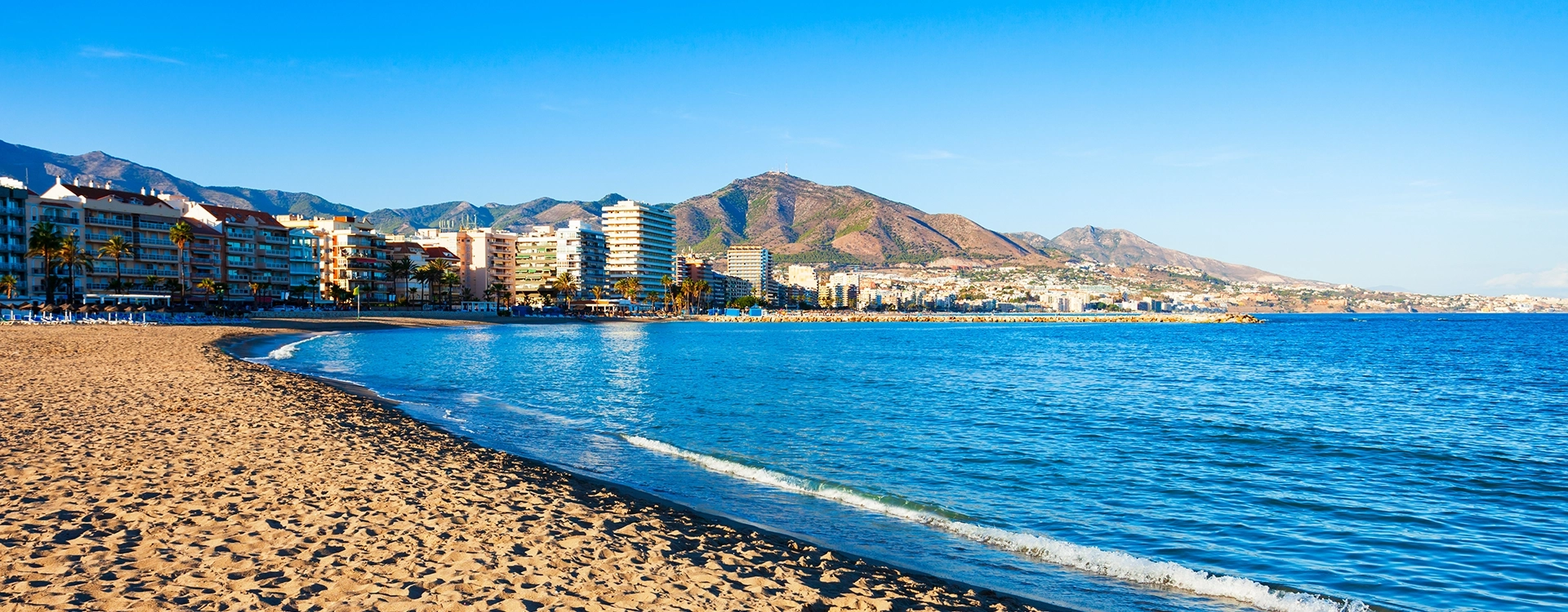
The city boasts approximately 8 kilometres of sandy beaches, including Carvajal, Las Gaviotas and Los Boliches. These beaches are ideal for relaxation, sunbathing and a wide range of water sports.
◉ Promenade:
The seaside promenade stretches along the coastline and is lined with restaurants, cafés and shops. It is a perfect place for walks and for enjoying views of the Mediterranean Sea.
◉ Bioparc Fuengirola:
Bioparc Fuengirola is a modern zoo focused on the protection of endangered species and environmental education. Animals live in environments designed to resemble their natural habitats, making it an attractive destination for both children and adults.
◉ Fuengirola History Museum:
Fuengirola History Museum presents the city’s rich past, from ancient times to the present day, featuring numerous archaeological and historical exhibits.
◉ Sohail Castle:
This historic fortress, situated on a hill overlooking the city, was built by the Arabs in the 10th century. Today, Sohail Castle hosts numerous cultural events and festivals and offers panoramic views of the surrounding area.
◉ Beaches:
The city boasts approximately 8 kilometres of sandy beaches, including Carvajal, Las Gaviotas and Los Boliches. These beaches are ideal for relaxation, sunbathing and a wide range of water sports.
◉ Promenade:
The seaside promenade stretches along the coastline and is lined with restaurants, cafés and shops. It is a perfect place for walks and for enjoying views of the Mediterranean Sea.
◉ Bioparc Fuengirola:
Bioparc Fuengirola is a modern zoo focused on the protection of endangered species and environmental education. Animals live in environments designed to resemble their natural habitats, making it an attractive destination for both children and adults.
◉ Fuengirola History Museum:
Fuengirola History Museum presents the city’s rich past, from ancient times to the present day, featuring numerous archaeological and historical exhibits.
Real Estate Market
Fuengirola has become an attractive destination for property investors thanks to its location, climate and well-developed infrastructure. Below are key reasons why purchasing real estate in this city is worth considering:
◉ Convenient location:
The city is located just 25 km from Málaga Airport, ensuring easy access for international travellers. In addition, efficient rail and bus connections allow for quick and convenient travel to other parts of the region.
◉ Climate:
Fuengirola enjoys a subtropical Mediterranean climate with mild winters and warm summers. The average annual temperature is around 18°C, making the area suitable for year-round living and leisure.
◉ Developed infrastructure:
The city offers a wide range of services, including modern shopping centres, international schools, medical facilities, as well as an extensive selection of restaurants and entertainment options.
◉ Property diversity:
The local market includes sea-view apartments, luxury villas and traditional townhouses. This variety allows buyers with different needs and preferences to find suitable property options.
◉ Investment potential:
Due to its growing popularity among tourists and expatriates, properties in Fuengirola are in strong demand on both the short-term and long-term rental markets, offering the potential for attractive investment returns.
Fuengirola is also a dynamically developing real estate market that attracts investors from around the world. Luxury apartments, modern residential developments and exclusive villas are among the property types available in the area. Investing in real estate on the Costa del Sol offers a high quality of life, stable value growth and access to premium amenities – from private swimming pools and landscaped gardens to advanced security systems.
◉ Convenient location:
The city is located just 25 km from Málaga Airport, ensuring easy access for international travellers. In addition, efficient rail and bus connections allow for quick and convenient travel to other parts of the region.
◉ Climate:
Fuengirola enjoys a subtropical Mediterranean climate with mild winters and warm summers. The average annual temperature is around 18°C, making the area suitable for year-round living and leisure.
◉ Developed infrastructure:
The city offers a wide range of services, including modern shopping centres, international schools, medical facilities, as well as an extensive selection of restaurants and entertainment options.
◉ Property diversity:
The local market includes sea-view apartments, luxury villas and traditional townhouses. This variety allows buyers with different needs and preferences to find suitable property options.
◉ Investment potential:
Due to its growing popularity among tourists and expatriates, properties in Fuengirola are in strong demand on both the short-term and long-term rental markets, offering the potential for attractive investment returns.
Fuengirola is also a dynamically developing real estate market that attracts investors from around the world. Luxury apartments, modern residential developments and exclusive villas are among the property types available in the area. Investing in real estate on the Costa del Sol offers a high quality of life, stable value growth and access to premium amenities – from private swimming pools and landscaped gardens to advanced security systems.
Summary
Fuengirola is a city that proudly showcases its ancient origins, shaped by the meeting of Phoenician, Roman and Arab cultures, while at the same time looking confidently towards the future. The combination of rich history, modern attractions and appealing real estate investment opportunities makes Fuengirola an ideal place both to live and to invest. If you are seeking a destination where everyday life blends tradition with luxury, Fuengirola offers a compelling answer.
We encourage you to explore the history of this remarkable city, discover its many attractions and consider the opportunities to purchase property that could become your new home by the Mediterranean Sea. By connecting the past with the present, Fuengirola delivers unique experiences and long-term prospects that are truly worth exploring.
We encourage you to explore the history of this remarkable city, discover its many attractions and consider the opportunities to purchase property that could become your new home by the Mediterranean Sea. By connecting the past with the present, Fuengirola delivers unique experiences and long-term prospects that are truly worth exploring.